From Lab to Market-Ready Design

The Challenge: Breaking the "Recycled = Compromise" Stereotype
There is a common misconception in the market that using recycled materials means compromising on quality or appearance. To break this myth, RTS™ chose a path of open innovation—partnering with the Department of Textiles and Clothing at Fu Jen Catholic University.
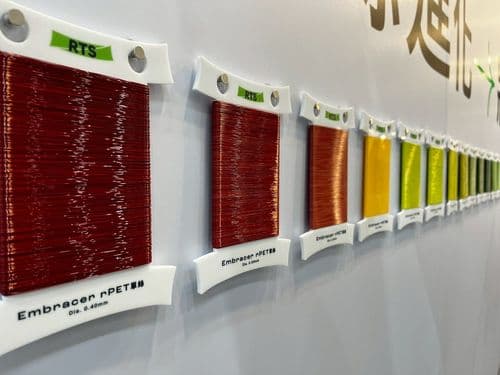
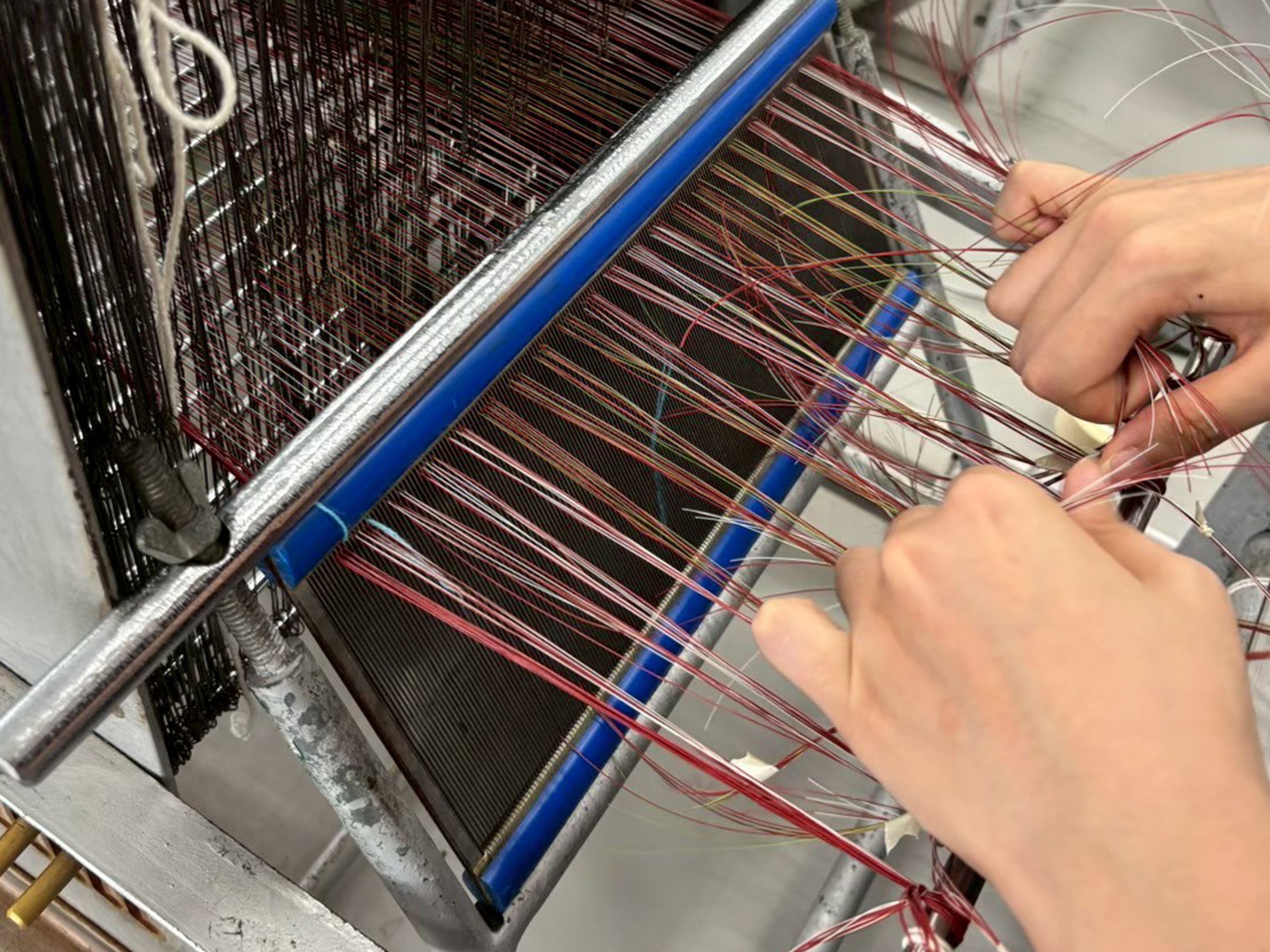
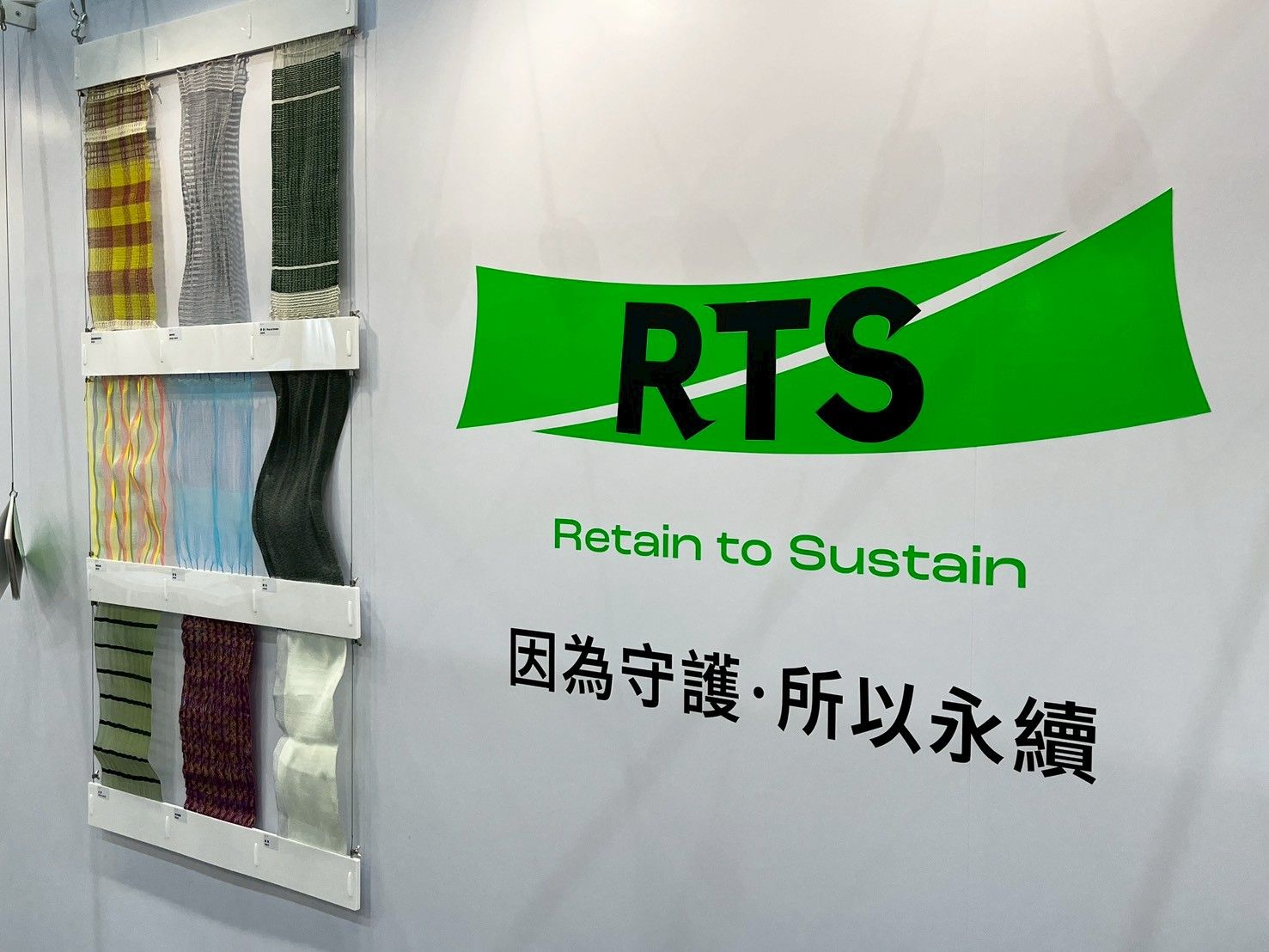
This wasn't just a design contest; it was a "stress test" for our material. Young designers don't play by the old rules. They boldly applied Embracer™ monofilament to various complex weaving structures. Through their hands, cold industrial monofilament was transformed into 13 vibrant designs and physical samples, showcasing unique colors and structural stiffness.
The Proof: Seeing the Complete Circular Chain
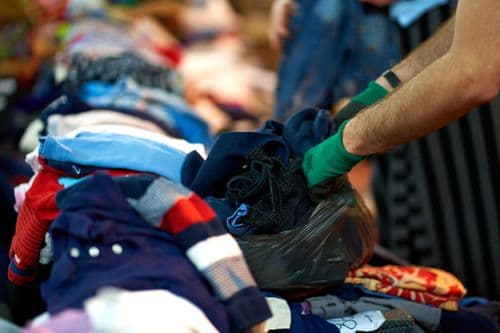
At TITAS 2025 (Taipei Innovative Textile Application Show), we didn't just display Embracer™ monofilament; we put the proof on full display. From discarded textiles, recycled pellets, to Embracer™ monofilament, recycled fabric, and finally, finished fashion bags, we showcased the complete resource cycle.
These exhibits successfully convinced the industry that Embracer™ monofilaments can already replace traditional monofilament applications, backed by the patents. We proved with real-world practice that balancing environmental ideals with commercial interests is possible—and that is the most beautiful part of a closed-loop economy.
Learning the Philosophy of "Embracing Imperfection"
Our biggest takeaway this year is simple: a perfect circular economy doesn’t require perfect raw materials. We used to obsess over bleaching recycled materials until they looked brand new, but we realized that actually wastes more energy and resources. So, we changed our mindset. Using a special "three-layer sandwich" technology, we learned to embrace the natural impurities and mixed colors of the waste. True sustainable technology isn't about erasing every flaw; it's about having the capacity to include them and letting them shine in the right place.
This was the greatest surprise of our cross-industry collaboration. In the lab, an engineer might look at the speckled colors on the threads and call it a "defective yield." But when young designers from Fu Jen Catholic University saw those same spots, they excitedly called it a "unique recycled texture." Through the lens of design, we found that honestly showing a material's "recycled footprint" is actually far more beautiful and compelling to the market than trying to disguise it as brand new.
Don't Let Technology Work Alone
Technology builds the structure, but design and everyday applications give it a soul. This year, by bringing designers into the process early, we discovered that when cold technology is given warmth and a story, it truly resonates with people. We hope that by continuing to spark these cross-disciplinary conversations, we can work together to turn the "circular economy" from a catchy slogan into an everyday reality.
Retain to Sustain (RTSᵀᴹ) is an initiative launched by Ri-Thai with a mission to curb resource consumption and environmental impact while advancing the circular economy. Investing in R&D and adhering to the “Reduce, Reuse, and Recycle” principle has enabled us to advance innovative and low-carbon solutions that foster textile circularity and assist a wide range of industries in achieving their sustainability goals.
If you want to be a driving force for change in low-carbon product design, we invite you to join the discussion. Contact us at info@retain2sustain.com
Keywords: Sustainable Design, Industry-Academia Collaboration, TITAS, Commercial Validation, Circular Fashion, Green Supply Chain